

Heritage Site in the Ganges Delta. It is famous for the Royal Bengal Tiger, saltwater crocodiles, and many types of birds. These areas have rivers, forests, and small islands, which make it a special place for nature lovers, wildlife viewing, and adventure experiences.
Sundarbans National Park is a UNESCO World Heritage Site known for its unique natural beauty. It is located in West Bengal, India, and also extends into Bangladesh. The region is home to the world’s largest mangrove forest, which protects the land from floods and supports rich wildlife. Therefore, it is an important place for nature, biodiversity, and maintaining the balance of the coastal ecosystem.
Geography and Ecosystem of Sundarban
The geography and ecosystem of the Sundarbans make it a unique and important natural region.
Table of Contents
Delta Formed by the Ganga, Brahmaputra, and Meghna Rivers
The Sundarbans is formed where three big rivers meet the sea. These rivers bring soil and water, which create many small islands and waterways over time. This process makes the land rich and constantly changing.
Dense Mangrove Forests and Tidal Waterways
The region has thick mangrove forests that grow in muddy and watery soil. Many rivers and narrow tidal channels flow through the area, creating a complex network that supports wildlife and protects the coastline.
Unique Ecosystem Influenced By Saltwater and Tides
Sundarbans has a special ecosystem where saltwater from the sea mixes with river water. Daily tides change water levels, which helps plants and animals survive.
Wildlife in Sundarbans National Park
Sundarbans is a rich wildlife area where many rare animals, birds, and water creatures live together in a natural habitat.
1. Royal Bengal Tiger as the Main Attraction
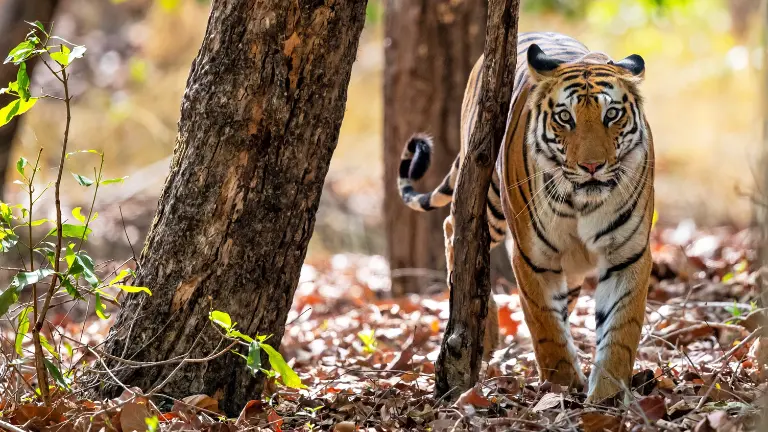
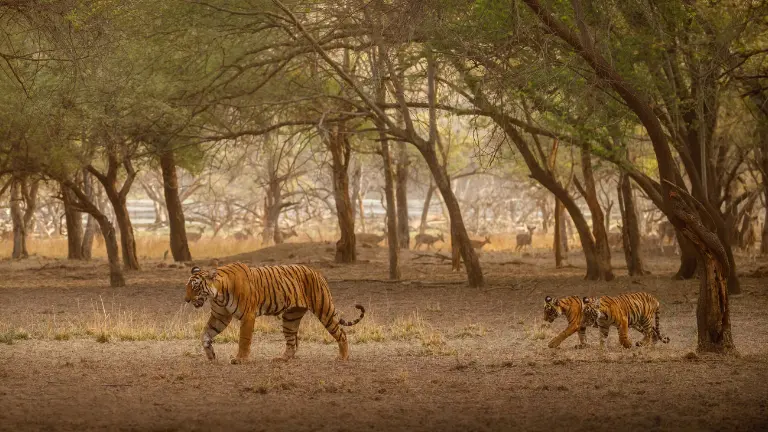
The Royal Bengal Tiger is the most famous animal here. It is powerful, rare, and can even swim between islands. Seeing it in the wild is a major attraction of the Sundarbans.
2. Rich Variety of Birds, Reptiles, and Aquatic Species
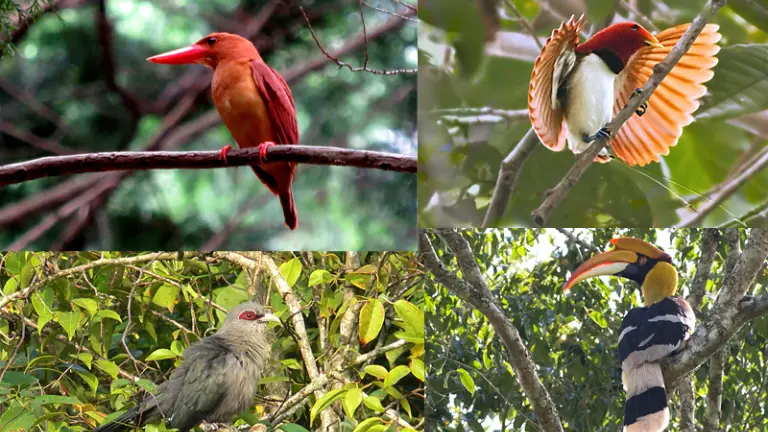
Sundarbans is home to many birds, crocodiles, snakes, fish, and other water animals. These species live in forests, rivers, and mud areas, which make the ecosystem very diverse and active.
3. Endangered and Rare Species Found in the Region
Many animals in the Sundarbans are rare and endangered. They are protected in this forest so they can survive safely in their natural environment without human harm.
4. Aquatic Life in Rivers and Mangroves
The rivers and water channels are full of fish, crabs, and dolphins. These water animals play an important role in keeping the ecosystem balanced and healthy.
5. Bird Watching Opportunities for Visitors
Sundarbans is a great place for bird lovers. Many local and migratory birds can be seen, especially in winter, which makes it a popular spot for bird watching.
6. Wildlife Adapted to the Mangrove Environment
Animals in the Sundarbans have adapted to live in salty water and muddy forests. This special adaptation helps them survive in a tough and changing environment.
Safari Experience in Sundarbans

A safari in the Sundarbans is a peaceful and exciting journey where visitors explore deep mangrove forests by boat and see wildlife in its natural home.
1. Boat Safaris Through Narrow Creeks and Rivers
The Sundarbans safari is done by boats that move through small rivers and narrow water paths. These slow boat rides go deep inside the mangrove forest. Visitors can see trees, birds, and calm water very closely and enjoy the peaceful natural beauty.
2. Guided Tours by Forest Authorities
Safaris are led by trained forest guides who know the area well. They help keep visitors safe and make sure rules are followed. They also explain about animals, plants, and nature, so the trip becomes easy to understand and more interesting.
3. Chance to Spot Wildlife in Natural Habitat
During the safari, visitors may see crocodiles, deer, monkeys, and many birds living freely in nature. Sometimes, lucky people may also see the Royal Bengal Tiger. Seeing animals in the wild makes the trip exciting and unforgettable.
4. Photography and Nature Viewing Opportunities
The Sundarbans safari gives beautiful views of forests, rivers, birds, and animals. It is a great place for taking photos and enjoying nature. Moreover, visitors can relax and capture the natural beauty and wildlife of this special forest area.
Top Attractions in Sundarbans
Sundarbans has many beautiful and interesting places that visitors can explore. These spots offer wildlife views, forest experiences, and historical sites that make the trip more exciting and memorable.
| Attractions | Descriptions |
| Sajnekhali Wildlife Sanctuary | It is famous for bird watching, mangroves, and a visitor center with forest information. |
| Sudhanyakhali Watch Tower | It is a popular spot to see crocodiles, deer, and sometimes even the Royal Bengal Tiger. |
| Dobanki Canopy Walk | It is a raised wooden walkway that lets visitors walk above the forest floor and see the mangrove closely. |
| Netidhopani Ruins | These are ancient temple ruins surrounded by dense forest with historical and mythological importance. |
| Bonnie Camp | It is one of the tallest watchtowers offering wide views of forests and wildlife. |
| Bhagatpur Crocodile Project | It is a conservation site where visitors can learn about crocodiles and see breeding programs. |
| Piyali River | It is a peaceful river area known for boating, photography, and natural scenic beauty. |
Best Time to Visit Sundarbans National Park
The best time to visit Sundarbans depends on weather conditions. Choosing the right season helps visitors enjoy safaris, wildlife, and nature comfortably and safely. The table below shows the best seasons and travel conditions for a better understanding.
| Season | Months | Weather Conditions | Travel Experience |
| Winter | October-March | Cool and pleasant | This is the best season for safaris, wildlife spotting, and sightseeing. |
| Summer | April-June | Hot and humid | Moderate visit, fewer wildlife sightings. |
| Monsoon | July-September | Heavy rain and high tides | Not recommended due to safety and travel issues. |
Travel Tips for Visitors
Visiting the Sundarbans becomes easier and more enjoyable when travelers follow some simple tips. These help ensure safety, comfort, and a better wildlife experience.
- Carry Light Clothes and Insect Repellent: Visitors should wear light, comfortable clothes because the weather can be humid. It is also important to carry insect repellent to protect against mosquitoes and other insects during the forest and boat journey.
- Follow Forest Rules and Safety Guidelines: Sundarbans is a protected area, so visitors must follow all forest rules. Staying inside allowed zones, listening to guides, and avoiding disturbance to wildlife helps keep both tourists and nature safe.
- Book Guided Tours for a Better Experience: Booking a guided tour is always better because trained guides know the area well. They help with safety, explain about wildlife, and make the overall trip more informative and enjoyable.
Conclusion
Sundarbans National Park is a beautiful and unique place filled with rich wildlife, mangrove forests, and natural waterways. It is home to many rare animals like the Royal Bengal Tiger and offers a peaceful experience for nature lovers. A visit here gives a mix of adventure, learning, and natural beauty. Therefore, with proper planning, it becomes a memorable trip for every visitor.
Also Read – Kashi Vishwanath Temple Aarti Timings and Pooja Schedule