

South India feels different when you view it from an open window on a train. The air is different as you approach the coast, dry fields replace coconut trees, the rivers widen as they reach the ocean, and the trip is slow and not overly rushed.
Travelling by rail through this region isn’t only practical but also highly satisfying. When you have completed your IRCTC booking, it’s worth selecting an option that allows you to explore the coastline instead of just getting to your destination. Southern railway lines connect major cities with smaller coastal cities, enabling slow travel.
India is home to one of the biggest railway systems in the world. Its Southern Railway zone alone covers Tamil Nadu, Kerala, portions of Karnataka, and Andhra Pradesh. A lot of these lines are in proximity to the Arabian Sea or the Bay of Bengal and offer views that are difficult to overlook if you decide to fly.
Below are a few trains that run along South India’s coastal routes and are worth trying at least once.
Table of Contents
Chennai to Rameswaram: Crossing the Sea
The train route is renowned for its stretch that crosses the Pamban Bridge. When the train crosses the sea, you will see fishing vessels below and clear waters on the two sides. This bridge links the mainland with Rameswaram Island and has been in operation for more than 100 years.
The experience lasts only a couple of minutes, but it stays with you. On sunny days, the water appears tranquil and unending. On days with the wind, you can feel the movement more strongly.
When planning your excursion, verify your pnr status one day before departure and on the day oftravel. Weather conditions near the coast may affect timing, particularly during cyclonic activity or the monsoon.
The trip from Chennai is a long one, traversing through cities, salt pans, towns, and dry areas until the sudden appearance of blue waters.
Mangalore to Trivandrum: Along the Arabian Sea
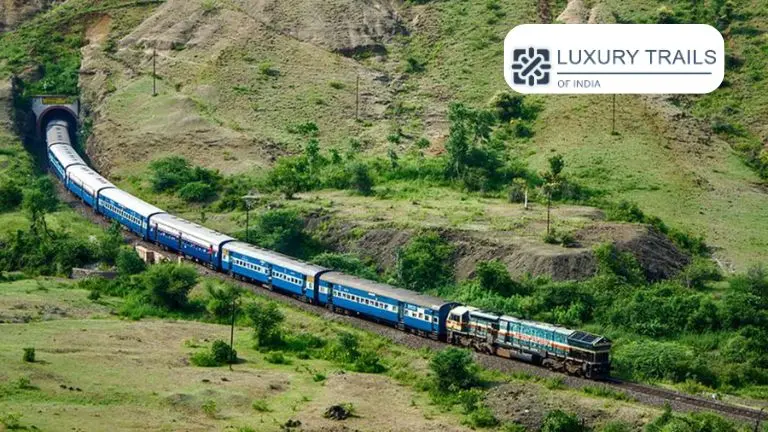
The route follows Kerala’s coast and is often neglected in favour of highway travel. The train travels through tiny stations, surrounded by palms and backwaters. It also passes through quiet fishing villages.
The Arabian Sea appears unexpectedly between groups of houses. In certain places, the train seems near enough to shore that one can almost feel the breeze from the sea. Kerala’s rail network is dense and well-connected. Trains that travel along
the route frequently stop and allow you to be able to observe the daily activities of people. Vendors get on at local stations, family members travel a short distance, and students travel between towns.
The journey isn’t about speed. It’s about noticing the small things.
Visakhapatnam to Chennai: Bay of Bengal Views
The eastern coast has distinct characteristics. In between Visakhapatnam and Chennai, the train travels along the Bay of Bengal in several sections. There are rocky outcrops, fishing boats, and beaches that stretch for miles.
The route also runs through Andhra Pradesh’s agricultural regions. The fields are vast and are interrupted occasionally by small towns and rivers. As you reach the coastline, the landscape opens again.
This trip is longer; planning is important. Selecting a train that operates during the day will ensure that you don’t miss out on scenic views of the coast. It is also helpful to track the departure time for a particular day to avoid waiting too long.
Kochi to Kannur: A Compact Coastal Ride
If you don’t want a long journey, the Kochi-Kannur stretch is a nice option. It starts off passing through busy town areas, but before long, the view changes completely. You begin to see wide backwaters, small rivers, and patches of greenery on both sides.
Why Coastal Rail Routes Feel Different
Coastline rail travel offers diverse landscapes in the shortest distances. You could start at the bustling city station, and then within an hour, you will look out at large sandy stretches. The humidity increases as you get closer to the ocean, and the vegetation changes as well. Even the light seems less sluggish near the coast. The gradual transitions are evident only when you are on the ground. The flight skips this phase completely. Roads usually run through the interior of. Trains let you stay connected to the terrain.
Planning a Coastal Rail Journey in South India

A little planning can make these journeys more comfortable. Here’s a basic informational guide:
| Factor | What to Consider |
|---|---|
| Best Time | October to March for clearer weather |
| Window Seat | Choose during booking if possible |
| Day vs Night | Day trains offer better coastal views |
| Monsoon Travel | Expect occasional delays |
| Food Options | Many stations have local vendors |
Southern coastal routes usually are on time, but seasonal weather may affect the timetables. Being flexible with travel reduces stress.
The Value of Slowing Down
The coastline of South India stretches for 2500 kilometers across the states. Train travel allows you to see the diversity. The dry coastal plains in Tamil Nadu are different from Kerala’s lush backwaters. The rocky shores of Andhra contrast with Karnataka’s calmer shores.
The distinctions become apparent when you are moving slowly enough to be able to see these differences.
A lot of travelers focus on places such as Rameswaram, Kochi, or Visakhapatnam. There is little discussion of the distance between them. But that space can often hold the most unforgettable views.
A Different Way to Explore the Coast
Train routes that run along the coast that run through South India are not about the luxury. They’re about the perspective. You can see fishermen working or children playing on track, as well as markets forming around stations.
The experience feels real and grounded. It connects urban areas with the rural world in a way that feels seamless, not scattered.
If you’re planning your next trip to the southern part of the country, think about an option that runs along the coast. The additional time is worth it. The scenery unfolds slowly, and often that’s exactly what travel should be like.
Also Read – Varanasi Travel Guide: Explore the Spiritual Heart of India