
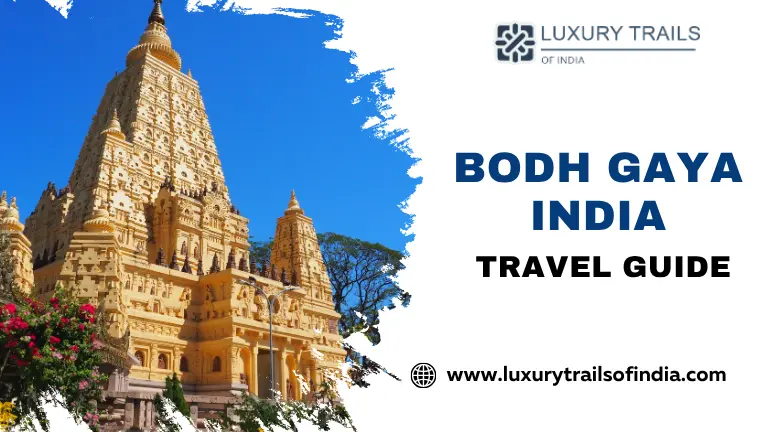
Bodh Gaya, in Bihar, India, is the most holy place for Buddhists to go on pilgrimage. Over 2,500 years ago, Siddhartha Gautama became the Buddha under the Bodhi Tree in this famous place. It is a hub for meditation, study, and international Buddhist devotion, with the UNESCO World Heritage-listed Mahabodhi Temple at its center.
Bodh Gaya stands as a historic and spiritual town that is located in the Gaya district of Bihar beside the Falgu River. This place holds immense religious value because it serves as the location where Lord Buddha reached enlightenment, which makes it one of the top pilgrimage sites for Buddhists from all over the world. Visitors usually come to this destination to achieve spiritual development, enjoy its tranquil environment, and visit its historical sites.
Moreover, Bodh Gaya has transformed into a global Buddhist education and meditation center because of its history. The monasteries that various nations constructed showcase the distinct cultural and traditional practices of their respective countries. Therefore, the town is one of the best spots for pilgrims and tourists, and people who want to learn about Buddhist beliefs, their philosophy, and practices.
Table of Contents
Major Tourist Attractions in Bodh Gaya
Bodh Gaya is home to several important spiritual and historical sites that attract visitors from across the world. Let’s take a closer look at these prominent attractions that you can explore during your tour:
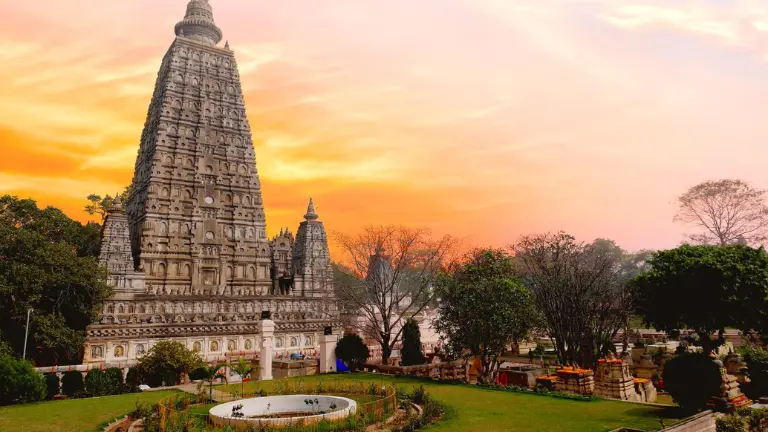
1. Mahabodhi Temple
Mahabodhi Temple is the exact spot where Lord Buddha achieved enlightenment. Moreover, it is a UNESCO World Heritage Site. This is a holy place where visitors from all over the world come to see beautiful ancient architectural designs and seek to pray and experience deep peace and spiritual connection. So, if you are seeking a spiritual tour in India, this is one of the most divine places to visit.
- Location: Bodh Gaya, near the Falgu River, Bihar
- Highlight: UNESCO World Heritage Site with sacred Bodhi Tree nearby
2. The Bodhi Tree
The Bodhi Tree is one of Buddhism’s most sacred locations because it stands as a direct descendant of the tree that Buddha used as his meditation spot. The tree is a key symbol of enlightenment, where pilgrims come to meditate, achieve peace and wisdom, and create a strong bond with Buddha’s teachings.
- Location: Within the Mahabodhi Temple complex, Bodh Gaya
- Highlight: The tree serves as a representation of both enlightenment and spiritual awakening.
3. Great Buddha Statue
The 80-foot statue of Lord Buddha, which shows him meditating, represents peace and enlightenment. It is one of the tallest buddha status in the world. The statue area contains smaller disciple statues, which attract visitors who want to experience spiritual calm and take pictures while having the sight of outstanding architectural elements. Therefore, it is a must-visit destination in Bodh Gaya.
- Location: The statue exists close to the Japanese Temple in Bodh Gaya.
- Highlight: The statue stands among India’s tallest Buddha statues.

4. Thai Monastery
Established in 1956, the Thai Monastery displays its beautiful golden roof and authentic Thai architectural style. Here, one can see a golden-tiled sloping roof and a 25-meter-tall bronze Buddha statue. The monastery provides visitors with a peaceful space to unwind and practice meditation while discovering Thai cultural elements within the spiritual atmosphere of Bodh Gaya. Therefore, it is a center for studying Buddhism, and the entry to this spot is free.
- Location: The monastery is located close to the Mahabodhi Temple in Bodh Gaya.
- Highlight: The Thai government constructed this building, which showcases an authentic Thai architectural style.
5. Japanese Temple (Indosan Nipponji Temple)
The temple provides an overview of Japanese architectural beauty along with precise paintings that show crucial moments from Buddha’s existence. People can use the quiet environment to meditate and understand Buddhist teachings and philosophy.
- Location: Bodh Gaya, close to the main temple area
- Highlight: The building uses traditional Japanese wooden architectural elements.
6. Dungeshwari Caves
Buddha reached his enlightenment through intense meditation practice, which he performed at Dungeshwari Cave Temples, also known as the Mahakala Caves or Sujata Sthan. It is said that Buddha meditated here for almost 6 years before traveling to Bodh Gaya for his enlightenment. The caves provide a peaceful environment that allows visitors to study Buddha’s life while practicing meditation and spiritual development.
- Location: About 12 km from Bodh Gaya, in Dungeshwari Hills
- Highlight: Also known as the Mahakala Caves, linked to Buddha’s early practices
How to Reach Bodh Gaya
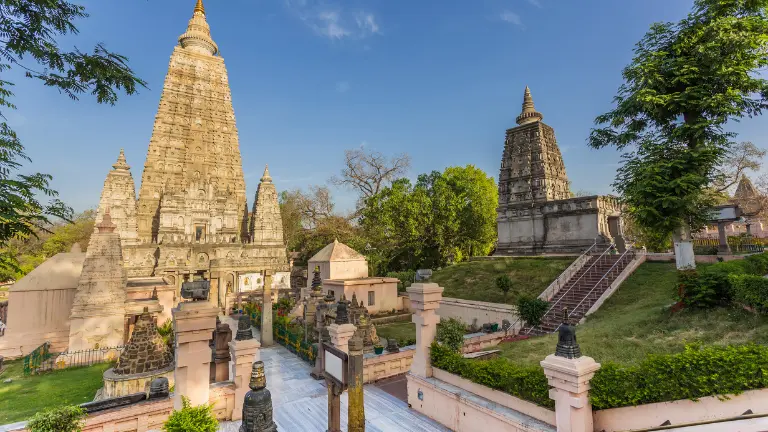
Bodh Gaya provides multiple transportation options for travelers who wish to reach the city. Here is how you can reach Bodh Gaya through different means:
By Air
Gaya International Airport serves as the nearest airport at a distance of 10 kilometers from Bodh Gaya. It connects major cities and some international destinations, which further makes travel convenient for both domestic and foreign tourists.
By Train
Bodh Gaya lies at a distance of 12 kilometers from Gaya Junction, which serves as the nearest railway station. The train station is well-connected to several major Indian cities, including Delhi, Kolkata, and Varanasi. Moreover, it is an affordable and convenient means of travel.
By Road
Bodh Gaya can be easily reached by road through buses, taxis, and private vehicles. It is well-connected to cities like Patna, Varanasi, and Ranchi via good road networks. Therefore, you can easily opt for road travel if you want to make your journey comfortable.
Best Time to Visit Bodh Gaya
The best time to visit Bodh Gaya in Bihar is from October to March, when visitors can enjoy pleasant weather that supports both sightseeing and meditation activities. The international Buddhist events and festivals that occur during this period create a more enriching experience for visitors. The summer season brings extreme heat, while the monsoon season delivers moderate rainfall, both of which disrupt travel plans. Here is a brief overview of the weather in different seasons:
| Season | Months | Weather | Recommendation |
| Winter | October – March | Cool and pleasant | Best time to visit |
| Summer | April – June | Hot and dry | Avoid if possible |
| Monsoon | July – September | Moderate rainfall | Travel with caution |
Travel Tips for Visitors to Bodh Gaya
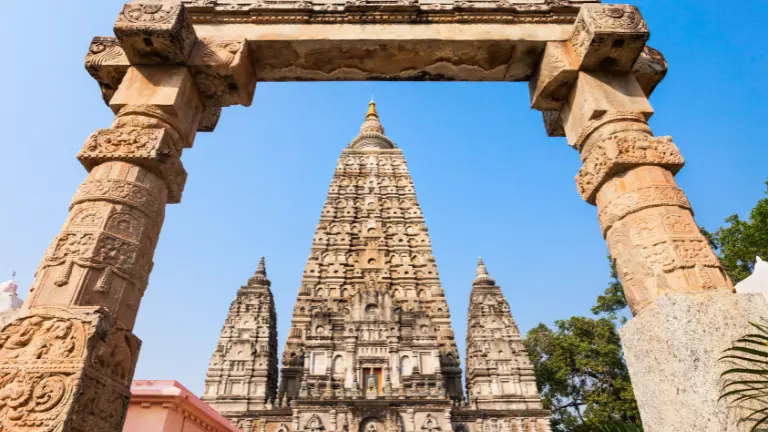
When visiting Bodh Gaya, make sure to plan properly beforehand so that you do not face any challenges during your tour. Here are some useful tips to make your Bodh Gaya trip smooth and enjoyable:
1. Respect Religious Practices
People should follow local customs by dressing modestly and observing silence in temples and meditation areas to protect the sacred atmosphere.
2. Carry Comfortable Clothing
Visitors to temples and monasteries should wear light and comfortable clothes that allow them to easily walk and meditate throughout their entire stay.
3. Stay Hydrated
People should carry water bottles to maintain proper hydration levels as they need to drink water continuously throughout the day when temperatures reach high levels during warm weather.
4. Plan Your Itinerary
Travelers should create an attraction list before their visit to multiple destinations, which will help them save time and secure their access to essential spots in Bodh Gaya.
5. Choose Accommodation Wisely
Travelers should book hotels or guesthouses that are close to main attractions, as this choice provides them with convenient access to temples and meditation centers.
Conclusion
Bodh Gaya serves as a tourist destination, and also as a spot for deep spiritual meditation and tranquil peace. This place provides visitors with an exceptional chance to experience historical and cultural elements while discovering their inner peace. Every place in Bodh Gaya, from sacred temples to peaceful monasteries, demonstrates deep religious devotion. Thus, Bodh Gaya provides both pilgrims and travelers with a genuine experience that brings them lifelong spiritual growth.
Also Read – Must-See 7 Wonders Of India to Visit in 2026