
Last Updated on 29/06/2026
Yumthang Valley is a beautiful destination in North Sikkim and is located at a sky-touching height of 3,564 meters. This alpine valley becomes more lively with blooming wild flowers and rhododendrons. So, it is also called the Valley of Flowers of the East. This valley is located near the banks of the Lachung River, and it turns into a snow wonderland during winter.
Yumthang Valley is a magical place located at a great height of around 11,800 feet in North Sikkim. It is famously known as the Valley of Flowers, and when you visit here during spring, you will understand why it is called that. From watching yaks grazing on green grass to relaxing by natural hot springs, there is so much you can enjoy in this beautiful valley. This valley is home to more than twenty unique kinds of pretty flowers, so you can take amazing photos of the flowers during your trip.
Table of Contents
Where is Yumthang Valley Located?
Yumthang Valley is a wonderful destination in North Sikkim and is located near the border between India and China. It is famous for its huge mountains and untouched natural beauty and lies within the Shingba Rhododendron Sanctuary. It is around 140 kilometers from Sikkim’s capital city, Gangtok.
- Travelers cannot stay directly in this beautiful valley, so their main base is Lachung village, which is around 26 kilometers from the valley. It takes about 2 hours to drive from Lachung to the valley.
- As it is very close to the international border, tourists need to get a Protected Area Permit (PAP) to enjoy a worry-free journey here. It is located at a very high elevation, so you get the chance to witness wonderful Himalayan views.
Why is Yumthang Valley Famous?
If you want to plan a peaceful trip to the Himalayas, Yumthang Valley deserves a place on your travel list. Surrounded by Himalayan peaks, this valley is globally famous for its spring flowering meadows. Here are the top highlights that make this wonderful destination famous:
- The Valley of Flowers of the East: Besides the rare rhododendrons, the spring season also turns this valley into a true paradise with blooming Himalayan flowers, like primulas, irises, and poppies.
- A Winter Wonderland: If you visit during the winter, the valley turns into a peaceful, snow-covered winter wonderland. A visit during this season will allow you to enjoy wonderful snow-packed views near the Indo-China border.
- Unmatched Himalayan Views: Beyond its floral glory, this lovely valley gives the chance to enjoy wonderful views of Panhunri, Shundu Tsenpa, and other peaks. You will see deep green pine forests, snowy peaks, and grazing yaks all in one place.
Top Attractions to Explore in Yumthang Valley
From views of snowy peaks and colorful blooming flowers to relaxing in hot springs, you can enjoy so much in Yumthang Valley. If you are planning an unforgettable trip to this Valley, you can’t miss exploring these magical attractions here:
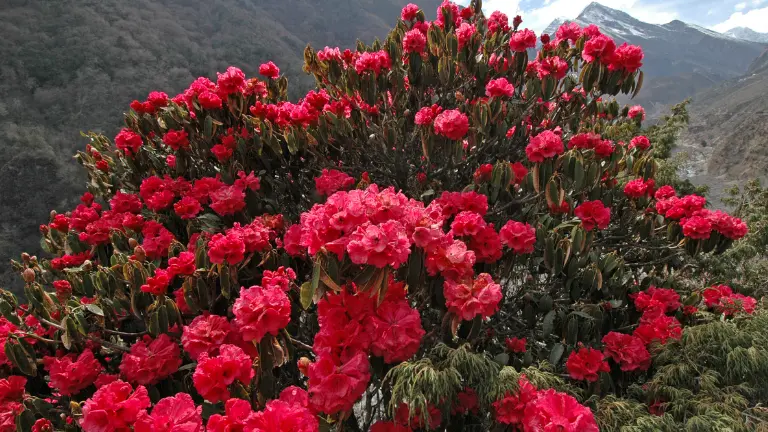
- Shingba Rhododendron Sanctuary: This valley is within Shingba Rhododendron Sanctuary and is home to more than 24 different types of rhododendron flowers. These flowers bloom between March and June, and paint the valley in stunning shades of red, pink, yellow, and purple.
- Mount Katao: This place is around 28 km from Lachung village and is popular for its amazing Himalayan views. If you visit during the winter, you can enjoy snow activities, like skiing and snowboarding here. This place is best to avoid crowds and take some wonderful pictures of nature.
- Zero Point (Yumesamdong): This amazing spot is located around 22 to 25 kilometers away from the valley. This thrilling snow-covered landscape is near the Indo-China border, and here you can enjoy playing in the snow year-round. It is located at a much higher elevation of 15,300 feet.
- Lachung Monastery: This colorful, Buddhist temple was built in the 1880s and is located among apple orchards. In this spiritual stop, you can enjoy amazing views of the surrounding apple orchards. An annual mask festival is held at this beautiful monastery during the winter.
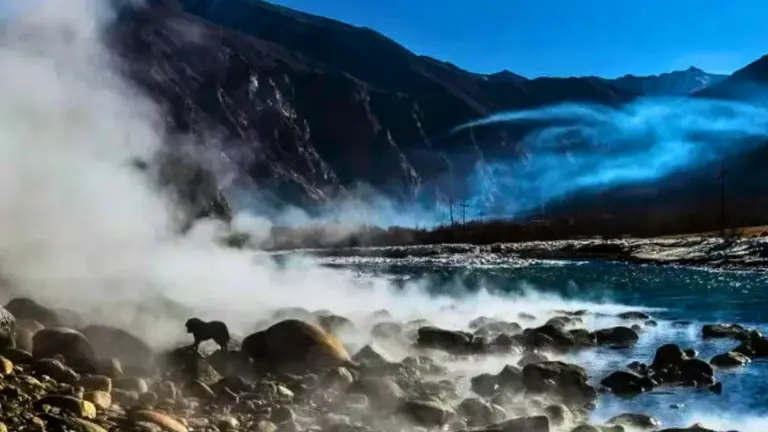
- Yumthang Hot Spring: You must visit this natural hot spring across the river in the valley. Locals and visitors believe that the warm water has healing and medicinal properties. This hot spring is perfect for relaxing while enjoying amazing views.
How to Reach Yumthang Valley, Sikkim?
Reaching Yumthang Valley involves a beautiful mutli-step journey. Firstly, you have to travel to Gangtok to arrange the required local permits. Then, you have to drive to the base village and finally take a short taxi ride to explore the beautiful valley.
Step 1: Reach Sikkim’s Capital (Gangtok)
- By Air: The closest major airport is Bagdogra Airport, which is about 122 km from Gangtok. You can take a flight to the closer Pakyong Airport, which is just 28 km from Gangtok but this option has fewer flights.
- By Train: The nearest major station is New Jalpaiguri Railway Station (NJP), which is about 190 km away. Once you reach the station, you can hire a shared or private cab to reach Gangtok.
Step 2: Obtain Necessary Permits
Once you arrive in Gangtok, you have to secure a Protected Area Permit (PAP). This valley is close to the Indo-China border, and you must get this permit before you start your journey to the valley.
Step 3: Travel to Lachung
After securing your permit, you can start your journey from Gangtok to Lachung. This trip takes about 6 to 7 hours by car. You must stay here overnight, as there is no accommodation facility in the valley and driving on mountain roads in the dark is highly risky.
Step 4: Drive to Yumthang Valley
On the next day of your trip, you can take a local cab from Lachung to explore the Yumthang Valley. This usually takes about 1.5 to 2 hours.
What Is the Best Time to Visit Yumthang Valley?
The best time to visit Yumthang Valley in North Sikkim depends on what you want to experience. This valley is famous for its floral blooms, amazing views, and snow activities. Generally, the spring and autumn seasons are considered perfect for planning a trip.
| Season | Months | Temperature and Highlights | Best For |
| Spring | March to May | 10°C to 15°C during the day. The valley turns more lovely with blooming rhododendrons, primulas, and orchids. | Nature lovers and photographers. |
| Summer | June to mid-July | 14°C to 20°C. Cool through occasional rains begin. You will get to enjoy views of wildflowers and green meadows. | Pleasant weather and offbeat travelers. |
| Monsoon | Mid-July to September | High rainfall, high risk of landslides and road blockages across North Sikkim. | Generally not recommended. |
| Autumn | October to November | 12°C to 18°C during the day. The post-monsoon period offers blue skies for clear views of the snowy peaks. | Clear skies and mountain views. |
| Winter | December to February | -10°C to 5°C. The valley experiences heavy snowfall and temperatures drop. | Snow lovers, who want to enjoy winter activities. |
Travel Tips for Your Yumthang Valley Trip
You can make your visit to Yumthang Valley unforgettable by keeping these key tips in your mind:
- Get your permit (PAP) first and then enter the valley. A registered travel agency or tour operator in Gangtok can help you get this.
- The weather in the mountains changes fast, so make sure you start your journeys early in the morning before the afternoon clouds block the best views.
- Be prepared to deal with the freezing weather at 11,800 feet. You must pack heavy thermals, a windproof jacket, gloves, and woolen caps, even in the summer.
- Make sure you keep drinking plenty of water during your trip and avoid drinking alcohol. You must pack basic medicines and carry enough cash, as ATMs are only available in Gangtok.
Plan Your Trip to This Lovely Hidden Wonder
Visiting Yumthang Valley is a fun adventure you must experience. This magical place must be on your travel list. Whether you see it covered in bright flowers in the spring or pure white snow in the winter, you will truly fall in love with its beauty. Don’t forget to get your permit first to avoid any issues during your trip. A trip here will be full of happy moments and unforgettable memories. Plan your journey to this hidden wonder in Sikkim today.
Also Read : Kanchenjunga “Five Treasures of Snows”